

How Many Cups of Coffee Per Day Is Actually Healthy? Science Has an Answer

Ask ten people how much coffee they drink, and you'll get ten different answers. One cup before work. Three before noon. "I lost count." Some people feel fine with six cups a day. Others get jittery after two. So how many cups of coffee per day is actually healthy — not just tolerable, but genuinely good for you?
Here's the good news: after decades of research involving millions of people, scientists have a pretty clear answer. And if you're a regular coffee drinker, you're probably going to like it.
Table of contents
- The Short Answer: 3 to 5 Cups Per Day Is the Sweet Spot
- What Does "One Cup" Actually Mean?
- How the Research Breaks Down by Cup Count
- New Research: It's Not Just How Much — It's When
- How Many Cups Is Right for You? A Guide by Person Type
- Caffeine Content by Coffee Type: A Quick Reference
- Signs You're Drinking Too Much Coffee
- Signs You Could Actually Drink a Little More
- Does the Quality of Coffee Change How Much You Should Drink?
- Frequently Asked Questions
- The Bottom Line
The Short Answer: 3 to 5 Cups Per Day Is the Sweet Spot
The research consensus from institutions including Harvard, Johns Hopkins, the Mayo Clinic, and the NIH points to the same range: 3 to 5 cups of coffee per day (roughly 300–400 mg of caffeine) is the amount associated with the greatest health benefits and the lowest risk of side effects for most healthy adults.
That's not just a safe amount — it's the optimal amount. Studies consistently show that people drinking 3 to 5 cups daily have better health outcomes than both non-drinkers and heavy coffee drinkers (6+ cups per day).
A 2020 review published in The New England Journal of Medicine, analyzing 95 studies, concluded that limiting total daily caffeine to 400 mg — the equivalent of about 4 to 5 standard cups — gives you most of the health benefits while keeping side effects at bay.
☕ Recommended by cocondo.coffee

Cocondo Orgánico — The only certified organic coffee from Antioquia, Colombia
Reserve Your Bag →What Does "One Cup" Actually Mean?
Before going further, let's be clear about something that trips people up constantly: the "cups" in research studies are not Starbucks cups.
In scientific literature, one cup of coffee typically means:
- 8 oz (240 ml) of standard brewed coffee
- Approximately 95 mg of caffeine
Compare that to what you might actually be drinking:
- A Starbucks Tall (12 oz) = ~135 mg caffeine ≈ 1.4 "research cups"
- A Starbucks Grande (16 oz) = ~180 mg caffeine ≈ 1.9 "research cups"
- A Starbucks Venti (20 oz) = ~225 mg caffeine ≈ 2.4 "research cups"
- A double espresso = ~126 mg caffeine ≈ 1.3 "research cups"
- A moka pot (stovetop espresso, 6 oz) = ~120–160 mg caffeine
This matters a lot. If you think you're drinking "3 cups" per day but each one is a large drip coffee with extra shots, you could easily be consuming the caffeine equivalent of 5 to 6 research cups. That's still likely fine for most healthy people, but it changes the calculation.
How the Research Breaks Down by Cup Count
Here's what the science actually says about specific amounts:
1–2 Cups Per Day
You're getting real benefits. Research shows even 1 to 2 cups per day is associated with lower risk of several diseases and reduced all-cause mortality. One to two cups is also the recommended upper limit for pregnant people. For everyone else, this is a conservative but perfectly healthy habit.
3–4 Cups Per Day
This is where the data gets most compelling. A large 2022 study found the biggest decline in early mortality for people drinking 2 to 3 cups per day. A UK study from 2024 found that 3 cups per day reduced the risk of developing multiple cardiometabolic diseases by over 48% compared to non-drinkers. A study of 402,260 people found 4 to 5 cups per day was the sweet spot for lowest risk of death over a 12 to 13 year period. This range consistently shows up as optimal across disease categories.
5 Cups Per Day
Still within the safe range for most healthy adults. The FDA and Dietary Guidelines for Americans both set 400 mg of caffeine (roughly 4 to 5 cups) as the upper threshold for safety. At 5 cups you're right at that ceiling — benefits remain, but you want to make sure you're not also getting caffeine from other sources like tea, energy drinks, or pre-workout supplements.
6+ Cups Per Day
This is where the curve starts bending in the wrong direction. Australian researchers studying 347,077 people found that 6 cups per day was the tipping point where caffeine started to negatively affect cardiovascular risk — increasing the risk of heart disease by up to 22%. Six cups per day is where "healthy habit" starts becoming "too much of a good thing."
10+ Cups Per Day
Well beyond what any research endorses. At this level, the protective benefits against heart failure essentially disappear, and the risks of anxiety, sleep disruption, elevated blood pressure, and other side effects become significant.
New Research: It's Not Just How Much — It's When
Here's something most coffee guides don't mention, and it's genuinely fascinating. A 2025 study from the National Heart, Lung, and Blood Institute (NHLBI) analyzed data from over 40,000 U.S. adults and found that when you drink your coffee matters, not just how much.
People who drank their coffee before noon saw the greatest reductions in dying early from any cause and from cardiovascular disease specifically. Those who spread their coffee throughout the day (morning and afternoon) had smaller but still positive benefits. The timing effect was independent of total amount consumed.
The leading theory is that morning coffee aligns with your body's natural circadian rhythm and cortisol patterns, making it more effective and potentially reducing the metabolic stress of caffeine consumed later in the day.
Practical takeaway: drink most or all of your daily coffee in the morning hours. The same 3 to 4 cups has a measurably stronger health benefit if they're all before noon than if half of them are in the afternoon.
How Many Cups Is Right for You? A Guide by Person Type
The 3 to 5 cup guideline is a population average. Your personal optimal amount depends on several factors:
If You're a Healthy Adult With No Medical Conditions
3 to 5 cups per day is your target range. You can explore the full spectrum and find what makes you feel best. Most people land naturally around 3 to 4 cups.
If You're Pregnant or Breastfeeding
No more than 1 to 2 cups per day, keeping total caffeine under 200 mg. Caffeine crosses the placenta and metabolizes very slowly during pregnancy. This limit comes from multiple medical organizations and is worth taking seriously.
If You Have Anxiety or Panic Disorder
Start with 1 cup and see how you feel. Caffeine directly amplifies the central nervous system's stress response. Many people with anxiety find even 1 to 2 cups triggers symptoms. Some do better with half-caf or switching to matcha, which has a smoother caffeine profile due to L-theanine.
If You Have GERD, Acid Reflux, or a Sensitive Stomach
1 to 2 cups, and choose cold brew or a low-acid roast. Always drink with food rather than on an empty stomach. The amount matters less here than the type of coffee and the circumstances of drinking it.
If You Have High Blood Pressure (Uncontrolled)
Talk to your doctor. Caffeine causes short-term blood pressure spikes of 3 to 14 mmHg. If your blood pressure is already poorly managed, those spikes add up. Once your blood pressure is under control, moderate coffee is generally considered safe.
If You Have Osteoporosis or Low Bone Density
Keep it to 3 cups or fewer and make sure you're getting adequate calcium. High caffeine intake slightly increases calcium excretion in urine, which over many years can affect bone density. This effect is small but worth monitoring if bone health is already a concern.
If You're Over 65
Caffeine metabolism slows with age, meaning caffeine stays in your system longer. You may find that 2 to 3 cups leaves you feeling better than pushing to 4 to 5. Some studies show coffee drinkers over 50 have a meaningfully lower risk of premature death than non-drinkers — so don't cut it out, just calibrate.
If You're a Teen or Young Adult (17–21)
The FDA and most health authorities recommend keeping caffeine under 100 mg per day for adolescents. That's roughly one standard cup. There's limited research on optimal amounts for young people, but the developing nervous system is more sensitive to caffeine's effects than an adult brain.
Caffeine Content by Coffee Type: A Quick Reference
Not all coffee is created equal when it comes to caffeine. Here's a practical reference:
- Drip/filter coffee (8 oz): 80–135 mg (average ~95 mg)
- Espresso (1 oz shot): 47–75 mg per shot
- Cold brew (8 oz): 100–200 mg (varies widely by steep time)
- Moka pot (3 oz): 70–130 mg
- French press (8 oz): 80–100 mg
- Instant coffee (8 oz): 30–90 mg
- Decaf (8 oz): 2–15 mg (not completely caffeine-free)
- Light roast vs dark roast: Surprisingly similar in caffeine content. Light roast is slightly higher by weight, dark roast slightly higher by volume — the difference is small.
Cold brew deserves special attention: because it steeps for 12 to 24 hours, it can have significantly more caffeine per ounce than regular drip coffee, even though it's often marketed as "smooth" or "gentle." If you're tracking your intake, factor in the strength of your cold brew.

Signs You're Drinking Too Much Coffee
Your body is usually pretty good at telling you when you've crossed the line. Watch out for these signals:
- Feeling jittery or shaky after your usual amount
- Heart racing or palpitations
- Difficulty falling asleep even when tired
- Anxiety or irritability that's worse than usual
- Headaches (paradoxically, both too much caffeine and caffeine withdrawal can cause headaches)
- Frequent urination or feeling dehydrated despite drinking enough water
- Digestive discomfort, loose stools, or stomach cramps
- Feeling dependent — like you genuinely cannot function without coffee
If several of these apply, the solution isn't necessarily to quit coffee. It's usually just to cut back by a cup or two and see how you feel within a week.
Signs You Could Actually Drink a Little More
On the other end of the spectrum, if you're currently drinking just one cup per day and have no adverse effects, there's real evidence suggesting you might benefit from increasing to 2 to 3 cups. The research doesn't show a linear benefit where more is always better — but the protective effects for liver health, brain health, and cardiovascular health do tend to be stronger at 3+ cups than at 1 cup.
Does the Quality of Coffee Change How Much You Should Drink?
Yes — and this is worth thinking about if you drink coffee daily. The antioxidant profile of your coffee varies significantly based on how it was grown, processed, and roasted.
Specialty-grade coffee, particularly single-origin organic beans grown at high altitude (like those from Colombia's coffee belt), tends to have a richer concentration of chlorogenic acids and polyphenols compared to mass-market commercial blends. These are the very compounds most responsible for coffee's anti-inflammatory and disease-protective effects.
This doesn't mean commercial coffee is worthless — it's not. But if you're drinking 3 to 4 cups per day with the goal of maximizing health benefits, the quality of those cups matters. Freshly roasted specialty beans give you more of what makes coffee good for you, in every single cup.
Frequently Asked Questions
How many cups of coffee per day is okay?
For most healthy adults, 3 to 5 cups per day (up to 400 mg of caffeine) is considered safe and associated with positive health outcomes. The research sweet spot for disease prevention appears to be around 3 to 4 cups per day.
Is 5 cups of coffee a day safe?
Yes, for most healthy adults 5 cups per day is within the safe range established by the FDA and most health organizations. At 5 cups you're right at the 400 mg caffeine ceiling. As long as you're not getting significant caffeine from other sources and you don't experience side effects, 5 cups is generally fine.
How many cups of coffee are healthy per day for women?
The Dietary Guidelines for Americans specifically states 3 to 5 cups per day as the healthy range for women (outside of pregnancy). Research shows women who drink coffee regularly have lower rates of coronary heart disease, stroke, diabetes, and kidney disease. During pregnancy, the limit drops to 1 to 2 cups (under 200 mg caffeine).
What do cardiologists say about coffee?
The position has shifted dramatically in recent years. Most cardiologists now agree that moderate coffee consumption (3 to 5 cups per day) is safe and may even be beneficial for heart health. A UK Biobank study concluded that daily coffee intake should not be discouraged even in people with existing cardiovascular conditions. The old advice to avoid coffee for heart health is largely outdated.
Is coffee bad for cortisol if you drink multiple cups?
Caffeine does stimulate cortisol release, but regular coffee drinkers develop tolerance to this effect. The bigger concern is timing: drinking coffee in the first 30 to 60 minutes after waking — when cortisol is already at its natural daily peak — may blunt both effects. Waiting 60 to 90 minutes after waking and concentrating your cups in the morning hours tends to produce better energy and lower stress hormones throughout the day.
The Bottom Line
3 to 5 cups of coffee per day is the amount backed by the strongest evidence for health benefits in most adults. Under 3 cups still gives you real benefits. More than 5 starts to push into diminishing returns territory, and 6 or more consistently shows increased cardiovascular risk in the research.
But remember: the number alone isn't the whole story. When you drink those cups matters (morning is better). What you put in them matters (less sugar is better). What kind of coffee you're drinking matters (quality and freshness affect the antioxidant content). And how your own body responds matters — because individual caffeine sensitivity varies enormously from person to person.
Find your personal sweet spot within the 3 to 5 cup range, drink it mostly in the morning, keep it as clean as possible, and you've got one of the simplest and most evidence-backed health habits around.
If you'd like to read other articles similar to How Many Cups of Coffee Per Day Is Actually Healthy? Science Has an Answer you can visit the category The Art and Science of Coffee: Guides, Reviews, and Expert Tips.
Does Coffee Affect Cortisol Levels? The Science Behind Caffeine and Your Stress Hormone

Is Coffee Good for Depression Risk? What the Research Actually Shows

Is Coffee Bad for Anxiety? What the Science Actually Shows
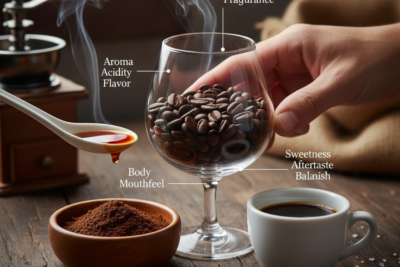
The 5 Elements of Coffee Tasting Every Coffee Lover Should Know
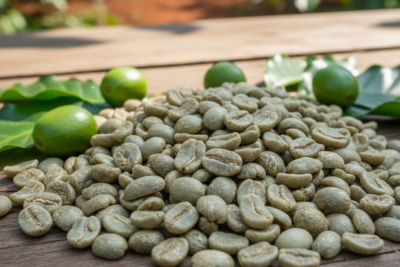
What Is Green Coffee? How Raw Beans Differ From Roasted — and What That Means for Your Health
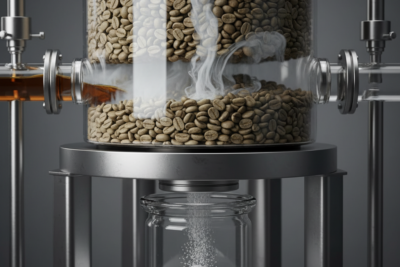
How Is Coffee Decaffeinated? The 4 Methods Explained — Including the One You Should Avoid

What Is Coffee Degassing? Why Fresh Roasted Beans Release CO2 — and Why It Matters

What Is a Coffee Cooperative? How They Help Farmers — and Why They Matter for Your Cup

How Altitude Affects Coffee Flavor: Why High-Grown Coffee Tastes Different
Leave a Reply
Related post