

Is Coffee Good For You? Here's What the Science Actually Says

Let's get one thing straight — billions of people drink coffee every single day, and most of them have asked themselves at least once: is this actually good for me, or am I just addicted?
The honest answer is: it depends. But for most healthy adults, the research points pretty clearly in one direction. Coffee, when consumed in reasonable amounts, is one of the most health-beneficial beverages on the planet. And no, that's not just something coffee lovers tell themselves — the science actually backs it up.
In this guide, we're going to break down everything you need to know about coffee and your health — the real benefits, the real risks, who should be careful, and how to get the most out of every cup. No fluff, no scare tactics. Just the facts. Moderate coffee consumption — around 3 to 4 cups per day — is associated with a range of health benefits backed by decades of scientific research.
Table of contents
- So, Is Coffee Healthy or Unhealthy?
- What's Actually Inside Your Coffee Cup?
- 9 Proven Health Benefits of Coffee
- The Real Risks of Coffee (What You Should Actually Watch Out For)
- How Much Coffee Is Actually Healthy Per Day?
- Does the Type of Coffee Matter for Health?
- Who Should Limit or Avoid Coffee?
- 7 Tips to Make Your Coffee Even Healthier
- Frequently Asked Questions About Coffee and Health
- The Bottom Line: Is Coffee Good for You?
So, Is Coffee Healthy or Unhealthy?
Coffee has had a complicated reputation over the decades. For a long time, doctors and nutritionists were cautious about recommending it. But a wave of large-scale studies over the past 20 years has completely changed that picture.
Today, the scientific consensus is clear: moderate coffee consumption is more beneficial than harmful for most people. A 2025 review published in the journal Nutrients analyzed decades of research and concluded that drinking 3 to 5 cups of coffee per day is associated with reduced overall mortality and lower risk of several major diseases — including cardiovascular disease, type 2 diabetes, stroke, and certain cancers.
That doesn't mean you should chug a pot of coffee before noon. But it does mean that your morning cup — or three — is probably doing you more good than harm.
☕ Recommended by cocondo.coffee

Cocondo Orgánico — The only certified organic coffee from Antioquia, Colombia
Reserve Your Bag →What's Actually Inside Your Coffee Cup?
Before diving into the benefits, it helps to understand why coffee affects your body the way it does. Coffee isn't just brown water with caffeine — it's a complex mixture of hundreds of bioactive compounds.
- Caffeine: The most well-known compound. A typical cup of coffee contains around 95 mg. It works by blocking adenosine, a brain chemical that makes you feel tired, which is why coffee keeps you alert and focused.
- Chlorogenic acids: Powerful antioxidant compounds that help regulate blood sugar and reduce inflammation in the body.
- Trigonelline: A compound linked to neuroprotective effects — meaning it may help protect brain cells over time.
- Diterpenes (cafestol and kahweol): Found mostly in unfiltered coffee (like French press), these compounds have both pro and anti-inflammatory properties depending on consumption.
- Melanoidins: Formed during roasting, these compounds act as antioxidants and support gut health.
- B vitamins, potassium, and magnesium: Coffee provides small but real amounts of essential nutrients.
Here's the interesting part: many of coffee's health benefits come not from caffeine, but from these other compounds. Decaf coffee shares a lot of the same benefits as regular coffee — something that surprised researchers for a long time.
9 Proven Health Benefits of Coffee
1. It Boosts Your Brain Function (Almost Immediately)
Within 30 to 60 minutes of drinking coffee, caffeine reaches your brain and starts blocking adenosine receptors. This leads to increased firing of neurons and a release of other neurotransmitters like dopamine and norepinephrine. The result? Better focus, improved memory, faster reaction time, and an overall lift in mood. It's one of the most well-studied cognitive effects of any food or drink.
2. Coffee Is Loaded With Antioxidants
Here's something that surprises a lot of people: for many people in Western countries, coffee is the single biggest source of antioxidants in their entire diet — more than fruits and vegetables combined. Antioxidants fight free radicals in the body, which are unstable molecules linked to aging and disease. The chlorogenic acids in coffee are particularly potent in this department.
3. It Significantly Lowers the Risk of Type 2 Diabetes
Multiple large studies have shown that regular coffee drinkers have a 25–35% lower risk of developing type 2 diabetes. The chlorogenic acids in coffee help slow glucose absorption and improve insulin sensitivity. Interestingly, this benefit applies to both caffeinated and decaffeinated coffee, which tells us caffeine isn't the main driver here.
4. Coffee Protects Your Liver
Your liver loves coffee. Seriously. Research shows that drinking coffee regularly can reduce the risk of liver cirrhosis by up to 84% and lower the risk of liver cancer significantly. Coffee has been shown to reduce liver enzyme levels, fight fatty liver disease, and slow the progression of liver damage in people who already have liver conditions. If you only pick one body part that benefits from coffee — it might be your liver.
5. It May Protect Against Parkinson's and Alzheimer's Disease
Coffee drinkers have a 32–65% lower risk of developing Parkinson's disease, and studies consistently link regular coffee consumption with a reduced risk of Alzheimer's disease and cognitive decline in old age. The trigonelline in coffee appears to play a protective role for brain cells, and caffeine's stimulating effect on the brain may help maintain neural pathways over time.
6. Coffee Is Good for Your Heart — In Moderation
For decades, people worried that coffee was bad for the heart. The current research tells a very different story. Moderate coffee drinkers (3–5 cups per day) have a lower risk of heart disease and stroke compared to non-drinkers. A 2025 study from UC San Francisco even found that coffee is safe for people with atrial fibrillation — a finding that reversed years of cautious medical advice on the subject.
The caveat here is "moderation." Drinking excessive amounts of coffee (think 6+ cups) can raise blood pressure and cause irregular heartbeat in some people. Stick to a reasonable amount and you're generally in the clear.
7. It Helps Your Physical Performance
Caffeine is one of the very few substances that has been consistently shown to improve athletic performance. It increases adrenaline levels in your blood, which prepares your body for intense physical exertion. Studies show caffeine can improve endurance performance by 11–12% on average. It also helps mobilize fat from fat tissues, making it available as fuel. That's why you'll find caffeine in almost every commercial pre-workout supplement.
8. Coffee May Help You Live Longer
Multiple large studies — some tracking hundreds of thousands of people over decades — have found that regular coffee drinkers have a lower risk of premature death. Women who drink 4–5 cups per day show up to a 26% lower risk of death. The overall picture is pretty consistent: moderate coffee consumption is linked to a longer life, particularly for women and people with type 2 diabetes.
9. It Supports Mental Health and Reduces Depression Risk
Coffee consumption is associated with a lower risk of depression. One Harvard study found that women who drank 4 or more cups of coffee per day had a 20% lower risk of depression. Caffeine's effect on dopamine and serotonin pathways plays a role here — and so does the simple ritual of drinking a warm cup in the morning, which can be genuinely grounding for mental wellbeing.

The Real Risks of Coffee (What You Should Actually Watch Out For)
Coffee isn't perfect. And being honest about its downsides is just as important as celebrating its benefits. Here are the legitimate concerns you should know about:
It Can Disrupt Your Sleep
Caffeine has a half-life of about 5 to 6 hours. That means if you drink a cup at 3 PM, half of that caffeine is still in your system at 8 or 9 PM. For most people, cutting off coffee after 2 PM is a good general rule to avoid sleep disruption. Poor sleep cancels out many of the health benefits of coffee — so this one matters.
It Can Cause Anxiety and Jitters
Some people are more sensitive to caffeine than others due to genetic differences in how caffeine is metabolized. If you regularly feel anxious, shaky, or have a racing heartbeat after coffee, your body is telling you something. Switching to lower-caffeine options — like a light roast or half-caf — can help significantly.
It's Acidic and Can Irritate Your Stomach
Coffee is naturally acidic (pH around 5), which can trigger acid reflux, heartburn, or stomach irritation in sensitive individuals. If you have GERD, gastritis, or a sensitive stomach, cold brew coffee is worth trying — it's naturally lower in acid than hot-brewed coffee and tends to be much gentler on the digestive system.
Pregnancy Requires Caution
Caffeine crosses the placenta and metabolizes very slowly in pregnant women. Current medical guidelines recommend limiting caffeine to under 200 mg per day during pregnancy — that's roughly one to two cups. Higher amounts are associated with increased risk of low birth weight and miscarriage. If you're pregnant, this is definitely worth discussing with your doctor.
It Can Be Habit-Forming
Caffeine is mildly addictive. If you regularly drink coffee and suddenly stop, you may experience headaches, fatigue, irritability, and difficulty concentrating for a few days. These withdrawal symptoms are real but temporary — they typically resolve within 2 to 9 days. This doesn't make coffee dangerous, but it's worth knowing.
How Much Coffee Is Actually Healthy Per Day?
Based on the current body of research, the sweet spot for most healthy adults is 3 to 5 cups of coffee per day (roughly 400 mg of caffeine or less). This is the range associated with the greatest health benefits and the lowest risk of negative effects.
Here's a simple guide:
- 1–2 cups/day: You're getting some benefits but leaving a lot on the table. Perfectly fine, just not optimal.
- 3–5 cups/day: The research sweet spot. Most benefits, minimal risk for healthy adults.
- 6+ cups/day: The benefits start to plateau and the risks (anxiety, sleep issues, blood pressure) start to climb. Not recommended as a regular habit.
Keep in mind that "a cup" in research studies typically means 8 oz (240 ml) of standard drip coffee — not a Venti from a coffee chain, which can contain 2 to 3 times more caffeine.
Does the Type of Coffee Matter for Health?
Yes — and this is where things get interesting for people who care about what's actually in their cup.
Organic vs. Conventional Coffee
Coffee is one of the most heavily pesticide-treated crops in the world. Choosing certified organic coffee reduces your exposure to synthetic pesticides and herbicides. Beyond the personal health angle, organic farming practices are also better for the ecosystems where coffee is grown — including the wildlife, water quality, and soil health around the farms. If you're drinking 3 to 5 cups a day, the quality of those beans matters.
Specialty Coffee vs. Commercial Coffee
Specialty coffee — defined as coffee scoring 80+ on a 100-point scale by certified Q Graders — is typically grown at higher altitudes, processed with more care, and roasted fresher than mass-market coffee. Higher altitude and careful processing tend to produce beans with a more complex antioxidant profile. It also tastes dramatically better, which means you're less likely to dump spoonfuls of sugar into it — and that matters a lot for the overall health equation.
Filtered vs. Unfiltered Coffee
Paper-filtered coffee (drip, pour-over, Aeropress) removes most of the diterpenes (cafestol and kahweol) from the brew. These compounds, found in higher amounts in French press and espresso, can raise LDL cholesterol levels in large quantities. For most people this isn't a concern, but if you have high cholesterol, filtered coffee is the wiser choice.
Black Coffee vs. Coffee With Additives
Black coffee is calorie-free and carries all the benefits mentioned above. The moment you start adding sugar, flavored syrups, cream, and artificial ingredients, you start eroding those benefits — and adding calories, blood sugar spikes, and inflammation-promoting compounds. If you enjoy your coffee with milk, that's generally fine. But the sweetened coffee drinks at commercial chains are a different story nutritionally.
Who Should Limit or Avoid Coffee?
While coffee is healthy for most people, certain groups should be more cautious:
- Pregnant women: Limit to under 200 mg caffeine/day (roughly 1–2 cups).
- People with severe anxiety disorders: Caffeine can amplify anxiety symptoms significantly.
- People with severe GERD or acid reflux: Coffee may worsen symptoms — try cold brew or low-acid coffees.
- People with uncontrolled high blood pressure: Caffeine causes short-term spikes in blood pressure. Talk to your doctor about safe limits.
- Children and teenagers: There's no established safe caffeine level for children. Adolescents should be cautious, particularly with high-caffeine energy drinks.
- People with certain heart conditions: Some heart conditions may be aggravated by excessive caffeine. Note that the 2025 UCSF study showed coffee is safe for most A-Fib patients — but always consult your doctor for your specific situation.
7 Tips to Make Your Coffee Even Healthier
- Drink it black, or at least reduce the sugar. Every teaspoon of sugar you skip is a small win for your metabolic health.
- Choose organic when possible. Especially if you drink multiple cups per day, organic certification matters.
- Opt for freshly roasted beans. Coffee starts losing its antioxidant potency within weeks of roasting. Fresh beans = more benefits.
- Don't drink it on an empty stomach. Coffee stimulates stomach acid production — pairing it with food reduces the chance of gastric irritation.
- Stop drinking coffee 6 hours before bed. Protect your sleep, and your body will thank you.
- Use filtered brewing methods if you have high cholesterol. Pour-over, drip, or Aeropress are your best options.
- Stay hydrated. Coffee has a mild diuretic effect. For every couple of cups you drink, make sure you're also drinking water throughout the day.
Frequently Asked Questions About Coffee and Health
Is it okay to drink coffee every day?
Yes, for most healthy adults, drinking coffee every day — in moderate amounts — is perfectly safe and even beneficial. The research consistently shows that daily coffee drinkers have lower rates of several chronic diseases compared to non-drinkers.
Which organ is most affected by coffee?
The liver probably benefits most from regular coffee consumption. Studies show up to an 84% reduction in the risk of liver cirrhosis and significant protection against liver cancer. The brain is also profoundly affected — in terms of cognitive performance and long-term neurological protection.
Is coffee bad for your heart?
For most people, no. Moderate coffee consumption (3–5 cups/day) is actually associated with a lower risk of heart disease and stroke. The concern about coffee and heart health was largely based on older, flawed studies. More recent large-scale research consistently shows a protective effect.
Is coffee good for brain inflammation?
Yes. Coffee contains several anti-inflammatory compounds, including chlorogenic acids and trigonelline, which have shown neuroprotective effects in research. Regular coffee consumption is associated with reduced inflammation markers in the brain and lower risk of neurodegenerative diseases like Alzheimer's and Parkinson's.
Does drinking coffee help with weight loss?
Caffeine does boost metabolic rate and stimulate fat burning in the short term. However, tolerance builds over time, reducing this effect. Black coffee can also suppress appetite slightly. But it's not a weight-loss magic bullet — the effect is real but modest on its own without lifestyle changes.
What is the best time to drink coffee?
Many sleep and nutrition researchers suggest waiting 60 to 90 minutes after waking before drinking your first coffee. This gives cortisol (your natural morning alert hormone) time to peak on its own before you layer caffeine on top. The last cup of the day should ideally be at least 6 hours before your bedtime.
The Bottom Line: Is Coffee Good for You?
For the vast majority of healthy adults, yes — coffee is genuinely good for you. It's not a guilty pleasure you need to justify. It's a complex, antioxidant-rich beverage with decades of research behind it.
The key is moderation (3–5 cups per day), quality (choose organic, freshly roasted beans when you can), and common sense (don't load it with sugar, don't drink it at midnight).
If you want to make the most of every cup, it's also worth thinking about where your coffee comes from. Specialty-grade, organically grown coffee — especially from high-altitude farms like those in Colombia's Antioquia region — tends to be richer in the very antioxidants and polyphenols that drive coffee's health benefits. Not all coffee is created equal, and the gap between a carefully grown single-origin bean and a commercial blend is bigger than most people realize.
So go ahead and enjoy your coffee. Just make it a good one.
If you'd like to read other articles similar to Is Coffee Good For You? Here's What the Science Actually Says you can visit the category The Art and Science of Coffee: Guides, Reviews, and Expert Tips.
Does Coffee Affect Cortisol Levels? The Science Behind Caffeine and Your Stress Hormone

Is Coffee Good for Depression Risk? What the Research Actually Shows

Is Coffee Bad for Anxiety? What the Science Actually Shows
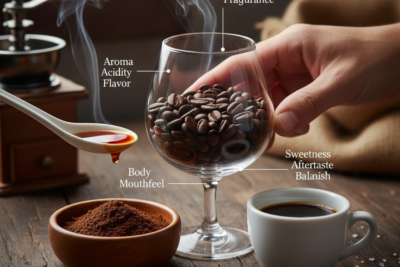
The 5 Elements of Coffee Tasting Every Coffee Lover Should Know
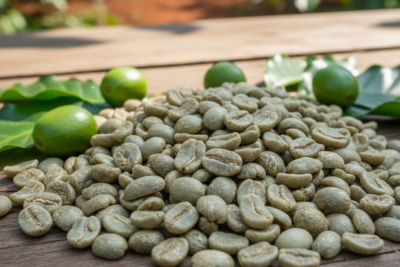
What Is Green Coffee? How Raw Beans Differ From Roasted — and What That Means for Your Health
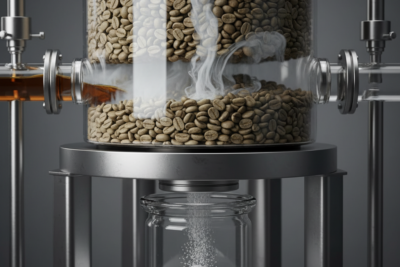
How Is Coffee Decaffeinated? The 4 Methods Explained — Including the One You Should Avoid

What Is Coffee Degassing? Why Fresh Roasted Beans Release CO2 — and Why It Matters

What Is a Coffee Cooperative? How They Help Farmers — and Why They Matter for Your Cup

How Altitude Affects Coffee Flavor: Why High-Grown Coffee Tastes Different
Leave a Reply
Related post