

What Is Washed Coffee? The Process Behind Clean, Bright, Terroir-Transparent Cups
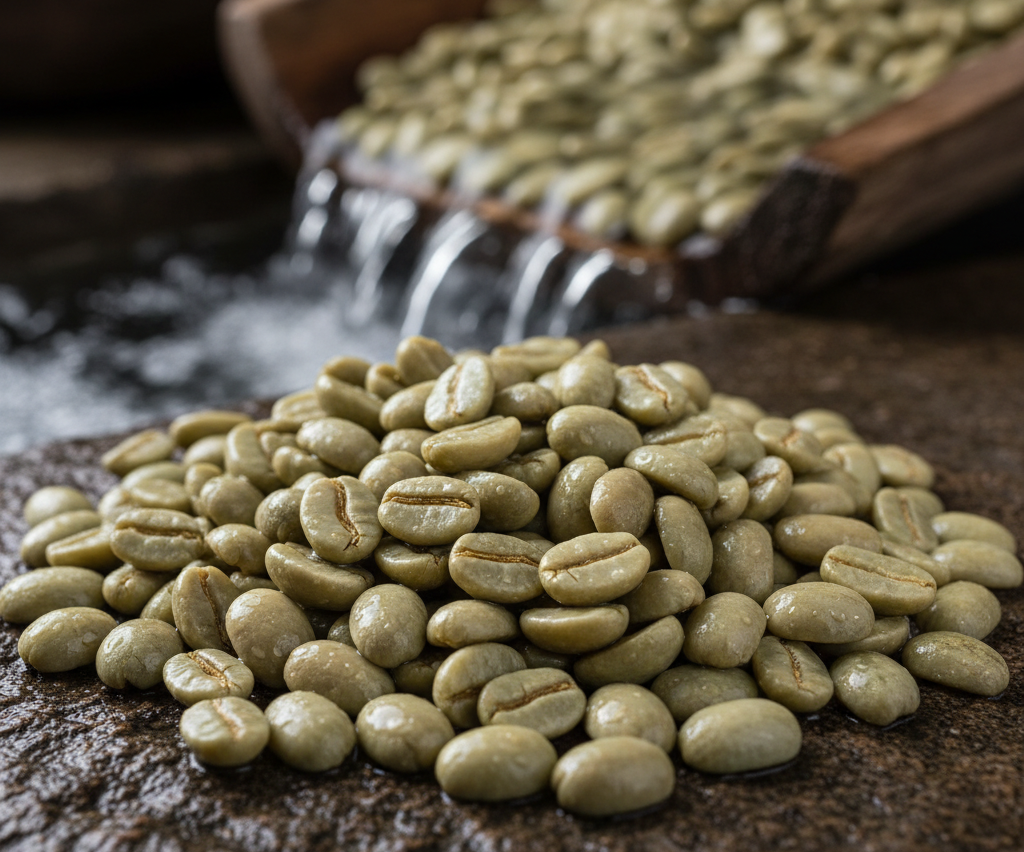
Walk through a specialty coffee shop and you'll see "washed" on more bags than any other processing term. It's the dominant method in Colombia, Ethiopia, Kenya, Guatemala, and most of the world's premium coffee-producing countries. It's the process most closely associated with the bright, clean, complex cups that define specialty coffee at its best.
But what does "washed" actually mean — and why does the way a coffee is processed before roasting have such a profound effect on what ends up in your cup?
Table of contents
- What Is Washed Coffee?
- The History of Washed Processing
- The Washed Process: Step by Step
- Why Washed Coffee Best Expresses Terroir
- What Does Washed Coffee Taste Like?
- Washed Coffee vs Natural vs Honey: Where Washed Fits
- The Environmental Case: Water Use in Washed Processing
- How to Brew Washed Coffee for Best Results
- Is "Washed" the Same as "Clean"?
- Frequently Asked Questions
- The Bottom Line
What Is Washed Coffee?
Washed coffee — also called wet process coffee — is coffee processed by mechanically removing the fruit from the coffee cherry within hours of harvest, fermenting the bean to break down the remaining mucilage layer, washing it clean with fresh water, and then drying the bean in its parchment shell.
The defining characteristic of the washed process is this: the fruit is removed from the bean as quickly as possible, eliminating most of the cherry's influence on the final flavor. What you taste in a washed coffee is therefore primarily the bean itself — its genetic variety, the terroir of where it was grown, and the skill of the roaster — rather than the fruit that surrounded it during development.
This is the fundamental philosophical difference between washed and natural processing. Natural processing is an act of transformation — the fruit changes the bean. Washed processing is an act of revelation — it removes the fruit to reveal what the bean already is.
☕ Recommended by cocondo.coffee

Cocondo Orgánico — The only certified organic coffee from Antioquia, Colombia
Reserve Your Bag →The History of Washed Processing
The washed process is significantly younger than natural processing. Natural processing — drying the whole cherry in the sun — is how coffee was processed for centuries in Ethiopia and Yemen, where the method developed naturally in dry climates with limited water infrastructure.
Washed processing developed in the 19th century, first in the Dutch and British colonies of the Caribbean and later spreading to Central America, East Africa, and parts of Asia. The method required machinery (depulpers) and abundant clean water — infrastructure that colonial agricultural systems provided in certain regions but not others.
The washed process quickly became dominant in specialty coffee circles for a simple reason: it produces more consistent, more predictable, and more controllable results than natural processing. Once you remove the fruit — the main source of variability and off-flavor risk — the drying and fermentation process becomes far more manageable. For specialty buyers trying to evaluate terroir and bean quality, washed coffees offered a clearer window into the bean's intrinsic character.
By the mid-20th century, washed processing had become the global standard for premium coffee production. Countries like Colombia built their entire specialty coffee identity — and much of their national coffee brand — around the washed process. The "mild" in Colombian mild Arabica refers specifically to the clean, controlled flavor profile that washed processing produces.
The Washed Process: Step by Step
Understanding each step clarifies why washed coffee tastes the way it does — and why small variations in technique at each stage produce meaningful differences in the final cup.
Step 1: Harvest and Initial Sorting
Like natural processing, washed coffee begins with selective picking of ripe cherries — deep red, fully developed, uniform in color. The washed process is actually more forgiving than natural on harvest consistency, since the fermentation step provides some control over defects. But quality washed coffees still begin with careful harvest selection.
After picking, cherries are floated in water — a standard quality check where cherries with internal defects, pest damage, or low density float to the surface and are removed. Dense, healthy cherries sink. This float-and-sort is universal in quality-conscious washed processing operations.
Step 2: Depulping — Removing the Fruit
Within hours of harvest — ideally the same day — the cherries pass through a depulper machine. This mechanical device uses rotating drums or discs to squeeze the fruit skin and pulp away from the bean, which remains inside its parchment shell. The depulped beans emerge covered in a layer of mucilage — a thick, sticky, sugary coating that clings to the parchment and cannot be removed mechanically.
The speed of this step matters enormously for quality. Leaving cherries too long before depulping (overripe or sitting in heat) allows uncontrolled fermentation to begin inside the cherry — producing off-flavors that the subsequent washed process cannot fully eliminate. The best washed coffee operations depulp within 6 to 12 hours of harvest.
Step 3: Fermentation — The Critical Flavor Development Stage
This is where washed processing becomes genuinely complex — and where most guides fall short. Fermentation is not a cleaning step. It is an active flavor development stage where the mucilage is broken down by microbial activity, and where the specific organisms, duration, and conditions create measurable differences in the final cup.
After depulping, the mucilage-covered beans are placed in fermentation tanks — either filled with water (wet fermentation) or left without water (dry fermentation, also called semi-dry). Here's what happens at the molecular level:
- Naturally occurring yeasts (primarily Saccharomyces cerevisiae, Pichia spp., and others) begin breaking down the mucilage's complex sugars through enzymatic hydrolysis, producing CO2, ethanol, and organic acids
- Lactic acid bacteria (Lactobacillus, Leuconostoc) convert sugars to lactic acid, contributing to the clean brightness characteristic of well-fermented washed coffees
- Pectinases — enzymes that break down the pectin in mucilage — liquefy the sticky coating, making it water-soluble and removable by washing
- Fermentation byproducts (organic acids, esters, alcohols) migrate into the outer layers of the parchment and bean, contributing subtle flavor compounds that differentiate one washed coffee from another
The fermentation typically lasts 12 to 72 hours depending on temperature, altitude, water chemistry, and the specific microbial populations present. Higher altitude farms with cooler temperatures ferment more slowly; lower altitude farms in warmer climates ferment faster. Skilled processors adjust duration based on sensory cues — touching the beans to feel when the mucilage has liquefied and slips away cleanly, and monitoring aroma for signs of proper fermentation versus over-fermentation.
Wet vs Dry Fermentation: A Key Quality Variable
Two main fermentation approaches produce measurably different results:
Wet fermentation (submerged in water): Beans ferment while submerged. The water environment supports specific microbial communities and moderates temperature. Produces clean, bright cups with pronounced acidity. Most common in Colombia, Central America, and some East African origins.
Dry fermentation (no added water): Depulped beans ferment in their own natural moisture. More concentrated microbial activity, often producing slightly more complex, slightly heavier flavor profiles. Common in some Ethiopian washed operations and increasingly used by experimental specialty producers. More variable than wet fermentation, higher risk of over-fermentation.
Closed vs open fermentation tanks: Sealed tanks control the environment more precisely, preventing wild yeast introduction and maintaining consistent temperature. Open tanks allow more diverse wild yeasts from the local environment — contributing to the regional flavor character that makes one origin's washed coffee distinct from another's. This is one pathway through which terroir expresses itself even in the controlled washed process.
Step 4: Washing — Removing the Fermented Mucilage
Once fermentation is complete, the beans are transferred to washing channels — long, narrow concrete or tiled troughs through which fresh water flows continuously. Workers agitate the beans with paddles or their feet (a traditional technique still used in some origins), and the fermented, liquefied mucilage washes away in the flowing water.
Multiple washing passes ensure thorough mucilage removal. The number of washing passes (one to three is typical) affects the final flavor: more thorough washing removes more of the fermentation byproducts, producing cleaner but sometimes less complex cups. Single-wash coffees retain more of the fermentation character.
The water quality used for washing matters too — mineral-rich water or recycled fermentation water can affect the flavor profile. The best producers use fresh, clean water for final washing passes.
Step 5: Drying in Parchment
After washing, the clean beans — still encased in their parchment shells — are spread on drying surfaces to reduce moisture content from approximately 45 to 50% down to the target 10 to 11.5%. This drying phase takes 1 to 3 weeks depending on climate, altitude, and drying method.
As with natural processing, raised African drying beds are considered superior for quality — even airflow above and below prevents hot spots and mold risk. Patio drying is more common at scale but requires more active management. Some operations use mechanical dryers, particularly when weather is unreliable, though slow sun drying on raised beds is generally associated with better cup quality.
The parchment shell that surrounds the bean during drying provides protection from UV radiation and some buffering against temperature fluctuations — contributing to the clean, stable flavor profile of washed coffees compared to naturals, where the bean is more directly exposed to environmental conditions during drying.
Step 6: Resting and Milling
After drying, the parchment coffee ("pergamino" in Colombia) rests in sealed storage for 4 to 8 weeks, allowing moisture to equalize through the bean and parchment and flavors to stabilize. This resting period significantly affects cup quality — coffee milled too soon after drying produces a harsher, more aggressive cup than well-rested pergamino.
Milling removes the parchment shell to reveal the green bean, which is then graded, sorted for defects, and bagged for export.

Why Washed Coffee Best Expresses Terroir
Here's the argument that most coffee guides miss — and it's genuinely counterintuitive at first:
Washed processing is the processing method that most transparently reveals the terroir of a coffee's origin.
Natural processing introduces the cherry's flavors into the bean — dramatically altering what you taste in the cup. The blueberry in an Ethiopian natural comes partly from the cherry, not just the bean and its environment. The natural process adds flavor on top of terroir.
Washed processing removes the cherry's influence. What remains in the cup is primarily:
- The genetic character of the specific Arabica variety grown
- The mineral and organic compound profile absorbed from the specific soil
- The acidity structure shaped by the specific altitude and climate
- The aromatic precursors developed during the specific growing season
This is why specialty buyers who want to evaluate origin character — to understand what a specific farm's land and growing conditions actually produce — typically cup washed versions of coffees when available. The washed process is a more transparent window into the bean's intrinsic quality.
It's also why the world's most celebrated terroir-specific coffees — Kenyan SL-28 from specific estates, Colombian Gesha from named farms, Ethiopian Yirgacheffe from specific cooperatives — are almost always washed. The processing method ensures that what you're tasting is the terroir of that specific place, not the contribution of the fruit.
What Does Washed Coffee Taste Like?
The flavor profile of washed coffee is so consistent across origins that it's recognizable as a category — even before you know the specific origin:
Defining Characteristics
- Clean cup: The most fundamental quality — no fruit-derived fermentation flavors, no barnyard notes, no wildness. What you taste is defined and precise rather than complex in an ambiguous way.
- Pronounced, structured acidity: Washed coffees consistently have more vivid, clearly defined acidity than natural process coffees. Citric acid from the bean's own organic acid development is unmuted by the sweetness of absorbed cherry sugars. This acidity can taste like lemon, lime, grapefruit, green apple, or — in Kenyan coffees — blackcurrant.
- Lighter body than naturals: Without the sugar and oil contribution from the fruit, washed coffees have less viscosity and mouthfeel. They feel cleaner and more delicate in texture — sometimes described as "tea-like" in very light roasts.
- Floral and aromatic complexity: The volatile aromatic compounds that define some of coffee's most distinctive notes — jasmine in Ethiopian Yirgacheffe, bergamot in some Kenyan coffees, complex citrus in Colombian high-altitude washed — express most clearly in washed processing because there's no fruit character competing for attention.
- Clarity of flavor: Each flavor note in a washed coffee is more distinct and identifiable than in a natural. A washed Ethiopian Yirgacheffe will taste more cleanly "jasmine and lemon" than a natural version of the same coffee, which might taste "blueberry and wine with a floral background."
- Moderate sweetness: Less sweetness than natural process coffees — the bean's own sugar development without the cherry's sugar contribution. Still present in quality washed coffees, particularly from high-altitude origins with long cherry maturation, but more restrained and integrated rather than dominant.
The Flavor by Origin
Because washed processing reveals terroir rather than transforming it, the flavor profile varies more dramatically by origin in washed coffees than in naturals:
- Colombian washed (Antioquia, Huila, Nariño): Chocolate, caramel, balanced citrus brightness, medium body, clean sweet finish. The most accessible washed profile for most drinkers. Antioquia specifically: chocolate-to-caramel baseline with mild fruit brightness — approachable and consistent.
- Ethiopian washed (Yirgacheffe, Guji): Jasmine, bergamot, lemon curd, peach, tea-like delicacy. Some of the most floral, aromatic coffees in the world. High acidity, light body, long floral finish.
- Kenyan washed (Nyeri, Kirinyaga, Murang'a): Blackcurrant, grapefruit, tomato-adjacent brightness, wine-like intensity, syrupy body. The most intensely acidic and distinctive of washed profiles — immediately recognizable, deeply polarizing.
- Guatemalan washed (Antigua, Huehuetenango): Chocolate, brown sugar, stone fruit, medium acidity, full body. Clean and substantial — some of the most consistently balanced washed coffees available.
- Costa Rican washed (Tarrazú, West Valley): Bright citrus, honey sweetness, clean and structured. Often described as textbook specialty coffee — a reliable benchmark for what washed process can produce.

Washed Coffee vs Natural vs Honey: Where Washed Fits
- Fruit influence: Washed (minimal) — Honey (moderate) — Natural (maximum)
- Acidity clarity: Washed (highest) — Honey (medium) — Natural (muted by sweetness)
- Terroir transparency: Washed (highest) — Honey (medium) — Natural (lowest)
- Flavor consistency: Washed (most consistent) — Honey (moderate) — Natural (most variable)
- Sweetness: Washed (least) — Honey (high) — Natural (highest)
- Body: Washed (lightest) — Honey (medium-full) — Natural (heaviest)
- Water usage: Washed (highest) — Honey (moderate) — Natural (minimal)
- Defect risk: Washed (lowest) — Honey (moderate) — Natural (highest)
- Best for: Washed (terroir exploration, light roast, pour-over) — Honey (balance seekers) — Natural (fruit lovers, espresso sweetness)
The Environmental Case: Water Use in Washed Processing
One legitimate criticism of traditional washed processing is its water consumption. The fermentation tanks, multiple washing passes, and sorting channels require significant volumes of fresh water — a concern in coffee-growing regions where water is a shared community resource.
The wastewater from washed processing — called pulping water or coffee effluent — is highly acidic (pH 3.5 to 4.5) and rich in organic matter. Discharged directly into waterways without treatment, it causes significant environmental damage — reducing dissolved oxygen in water bodies and creating conditions harmful to aquatic life. This has been a genuine environmental problem in coffee-growing regions historically.
The specialty coffee industry has responded through several innovations:
- Eco-pulping (water recycling systems): Machines that recycle processing water through sedimentation tanks, dramatically reducing total water consumption per kilogram of green coffee. Eco-pulpers can reduce water usage by 90% compared to traditional wet processing.
- Biogas digestion: Coffee pulp effluent is processed in anaerobic digesters that convert organic waste into biogas for farm energy use. Used by progressive farms in Colombia, Costa Rica, and Kenya.
- Composting pulp: The depulped coffee skin and pulp (a significant volume of organic material) is composted and returned to the soil as fertilizer — reducing both waste and synthetic fertilizer dependency.
- Honey process as a hybrid: The honey process (leaving some or all mucilage on the bean during drying) was partly developed as a water-conservation alternative to full washed processing — reducing water use while maintaining more processing control than natural.
When choosing washed coffees, farms and cooperatives that implement eco-pulping and waste management practices represent the most environmentally responsible version of the washed process.
How to Brew Washed Coffee for Best Results
Washed coffees reward brewing methods that highlight clarity and acidity — their primary virtues. The clean flavor profile means more delicate aromatics, and those aromatics benefit from methods that don't suppress them:
- Pour-over (V60, Chemex, Kalita): The ideal method for washed coffees — paper filtration removes oils that would cloud the clarity, and the controlled pour allows precise extraction of the acidity and aromatic compounds. Use water at 92 to 96°C for light roasts, 90 to 93°C for medium. Target 3 to 4 minutes total brew time.
- AeroPress: Excellent for washed coffees — produces a clean, bright cup with good acidity expression. Inverted method with a 1 to 2 minute steep followed by slow press works beautifully.
- Drip machine (SCA-certified): Good for medium roast washed coffees. Consistent temperature and flow rate produce reliable results. Budget drip machines that don't reach 90°C under-extract light roast washed coffees.
- Espresso: Washed coffees make excellent single-origin espresso when dialed in carefully. The clean acidity can produce intensely bright, complex shots — or sour disasters if under-extracted. Requires precise grind and temperature control. Target 25 to 30 seconds extraction.
- Cold brew: Less ideal — cold extraction suppresses the bright acids that define washed coffees. The floral and citrus notes that make Ethiopian washed coffees extraordinary largely disappear in cold brew. Better to reserve washed light roasts for hot methods.
- French press: The unfiltered oils from French press add body that can complement medium-roast washed coffees (Colombian, Guatemalan). For very light roast washed coffees, the added body can muddy the delicate floral and citrus notes.
Is "Washed" the Same as "Clean"?
One of the most common misconceptions about washed processing: the word "washed" refers to how the coffee was processed, not to its cleanliness or purity. A washed coffee is not "cleaner" in a food safety sense than a natural coffee — both are safe. The "washed" refers to the washing of the mucilage from the bean during processing.
The "clean cup" quality associated with washed coffees is a flavor descriptor — the absence of fruit-derived fermentation notes, barnyard character, or wildness that characterizes some natural process coffees. "Clean" in this context means "clearly defined and free of confounding off-notes," not sanitized or purified.
Frequently Asked Questions
What is washed coffee?
Washed coffee (also called wet process coffee) is processed by mechanically removing the fruit from the coffee cherry immediately after harvest, fermenting the bean to break down the remaining sticky mucilage layer, washing the fermented mucilage away with fresh water, and then drying the bean in its parchment shell. The process produces clean, bright, terroir-transparent cups that reveal the bean's intrinsic character — the genetic variety, altitude, and growing conditions — more clearly than any other processing method.
What does washed coffee taste like?
Washed coffees are characterized by clean flavor clarity, pronounced and structured acidity, lighter body than natural process coffees, and strong expression of origin character. Specific flavor profiles vary significantly by origin: Ethiopian washed coffees taste floral and citrusy (jasmine, bergamot, lemon); Kenyan washed coffees taste intensely of blackcurrant and grapefruit; Colombian washed coffees taste of chocolate, caramel, and balanced citrus; Guatemalan washed coffees taste of chocolate, brown sugar, and stone fruit.
Is washed coffee better than natural?
Neither is objectively better — they serve different purposes and suit different preferences. Washed coffees are cleaner, brighter, more terroir-transparent, and more consistent. Natural coffees are fruitier, sweeter, heavier-bodied, and more transformative. Many coffee drinkers love both for different occasions. Washed coffees are better for tasting origin character and terroir; natural coffees are better for sweetness and fruit complexity. The best approach is to explore both.
Why is washed coffee more acidic?
Washed processing removes the cherry's sugars and fruit compounds that would otherwise mask and buffer the bean's natural organic acids. The brightness you taste in a washed coffee is the bean's own citric, malic, and chlorogenic acids expressing themselves without the sweetness competition from absorbed cherry sugars. This acidity is a genuine quality indicator in specialty coffee — it reflects the bean's own acid development from altitude and growing conditions, not processing error.
What countries produce the best washed coffees?
Ethiopia (Yirgacheffe, Guji — floral and citrus), Kenya (Nyeri, Kirinyaga — intense blackcurrant), Colombia (Huila, Nariño, Antioquia — chocolate and balanced brightness), Guatemala (Antigua, Huehuetenango — chocolate and stone fruit), and Costa Rica (Tarrazú — bright and structured) consistently produce exceptional washed coffees. Each origin expresses its distinct terroir through the clean transparency of the washed process.
Does washed coffee have less caffeine?
No — processing method does not significantly affect caffeine content. Caffeine is a stable alkaloid that is not meaningfully altered by depulping, fermentation, washing, or drying. The caffeine content of a coffee depends primarily on the species (Arabica vs Robusta) and the specific varietal, not the processing method.
The Bottom Line
Washed processing is specialty coffee's most important and revealing method — the technique that best exposes what a coffee's origin, altitude, soil, and genetic variety actually produce. Clean, bright, structured, and terroir-transparent: washed coffee is coffee without disguise, coffee as a direct expression of where it was grown.
For coffee drinkers who want to understand origins, develop their palates, and taste the differences between a Yirgacheffe and a Nariño and a Kenyan Nyeri — washed coffees are the clearest pathway. The fruit is gone, the fermentation is controlled, and what remains is the bean, the land, and the people who cared for both.
Colombian washed coffees from high-altitude regions like Antioquia represent one of the most consistently accessible and rewarding washed experiences available — the terroir of the Andean highlands expressed through a process that has been refined over generations. Chocolate, caramel, mild citrus brightness, a clean sweet finish. The washed process doesn't add those notes. It reveals them.
If you'd like to read other articles similar to What Is Washed Coffee? The Process Behind Clean, Bright, Terroir-Transparent Cups you can visit the category The Art and Science of Coffee: Guides, Reviews, and Expert Tips.
Does Coffee Affect Cortisol Levels? The Science Behind Caffeine and Your Stress Hormone

Is Coffee Good for Depression Risk? What the Research Actually Shows

Is Coffee Bad for Anxiety? What the Science Actually Shows

The 5 Elements of Coffee Tasting Every Coffee Lover Should Know
What Is Green Coffee? How Raw Beans Differ From Roasted — and What That Means for Your Health
How Is Coffee Decaffeinated? The 4 Methods Explained — Including the One You Should Avoid
What Is Coffee Degassing? Why Fresh Roasted Beans Release CO2 — and Why It Matters
What Is a Coffee Cooperative? How They Help Farmers — and Why They Matter for Your Cup

How Altitude Affects Coffee Flavor: Why High-Grown Coffee Tastes Different
Leave a Reply
Related post